February 20, 2026
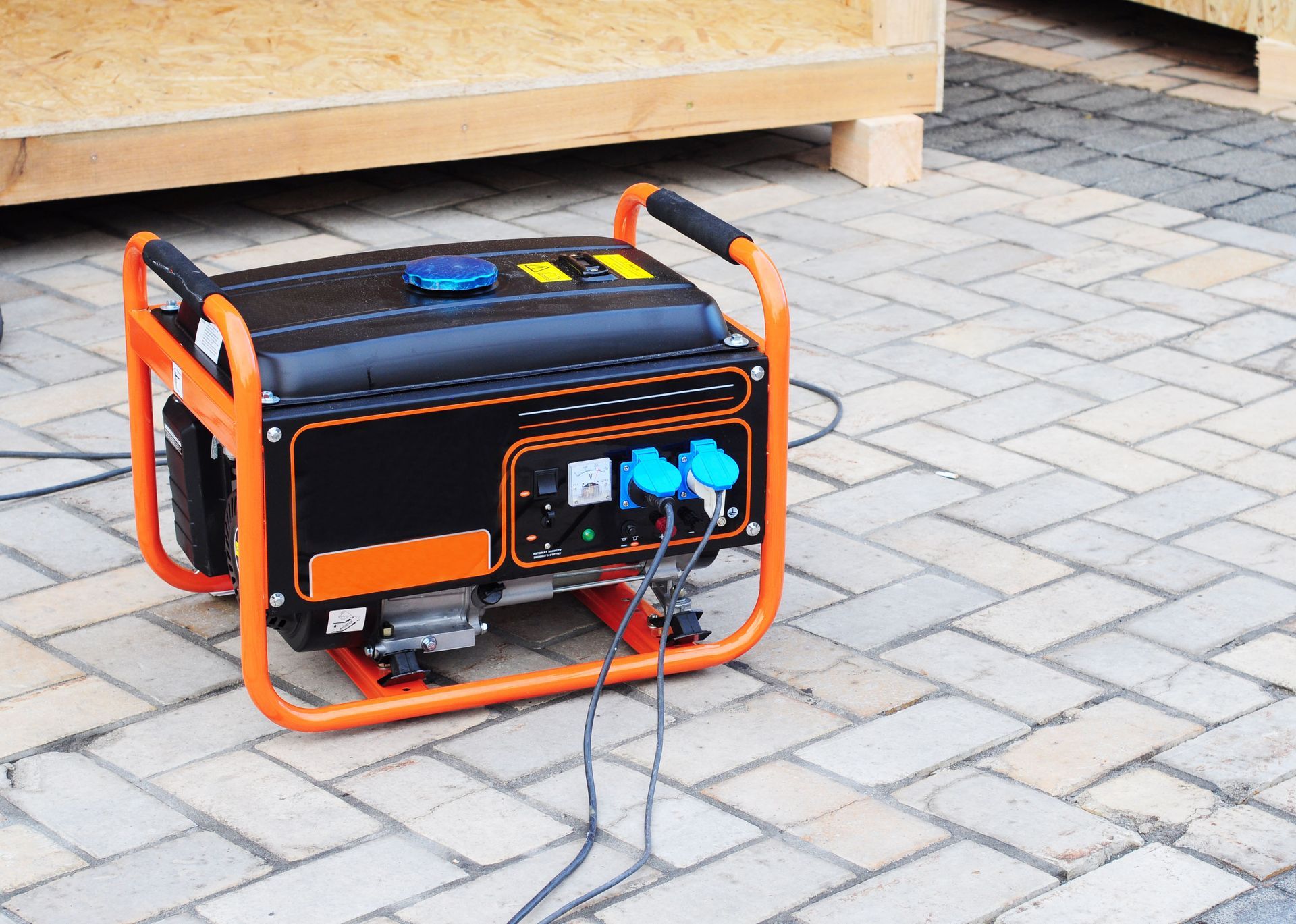
Power outages can be sudden and unpredictable, disrupting the flow of daily life and causing significant inconveniences. A backup generator for home use is an essential tool that adds a layer of protection and comfort during these unexpected events. It not only provides peace of mind by ensuring the continuity of electricity but also plays a crucial role in maintaining the safety and security of your home. In situations where electricity is a necessity, such as running medical devices or keeping crucial systems operational, a generator becomes indispensable. By considering preventive measures like installing a backup generator, homeowners can effectively mitigate the risks associated with power outages.
The Importance of a Reliable Power Supply
Unforeseen power outages can wreak havoc on our daily routines, leaving us grappling with unexpected challenges. Everyday activities, such as cooking, heating, or cooling the home, and using electronic devices, come to a standstill. For families with young children or elderly members, maintaining a comfortable living environment becomes difficult, thus emphasizing the need for a backup generator. By ensuring a steady power supply, backup generators allow households to maintain a sense of normalcy despite external disruptions. Additionally, according to Global Market Insights, the North America portable generators market size is estimated to grow at a compound annual growth rate of 4.1% between now and 2032, highlighting the growing recognition of their importance in safeguarding daily life.
Power outages can lead to sudden surges and drops in electricity, which can severely damage sensitive appliances and electronics. Backup generators can counteract these destructive power fluctuations by providing stable electricity, thus extending the lifespan of valuable home devices. For modern households, where advanced electronics and smart home systems are prevalent, this protection is particularly important. Ensuring the uninterrupted operation of appliances not only minimizes repair costs but also helps in maintaining the efficiency and performance of these devices. Thus, backup generators play a vital role in preserving the functionality and longevity of essential home electronics during outages.
Home security systems are crucial for protecting the safety and security of a household, and their efficacy heavily relies on a consistent power supply. In the event of extended power outages, these systems can become non-operational, leaving homes vulnerable to security threats. Backup generators ensure that security cameras, alarms, and motion detectors continue to function as intended, providing uninterrupted protection. Consequently, investing in a reliable generator gives homeowners peace of mind, knowing their homes remain secure even during emergency situations. By keeping security systems operational, backup generators contribute to an overall sense of safety and protection for all family members.
In times of power outages, maintaining communication with the outside world becomes even more important, especially for emergencies or updates on the situation. Backup generators ensure that communication devices such as phones, internet modems, and computers remain functional, keeping families connected. This connectivity is essential not only for personal communications but also for receiving crucial information from authorities. For many, the ability to work remotely is also supported by keeping communication systems operational during outages. Thus, a backup generator offers the vital service of maintaining lines of communication, which is integral for safety and continuity during power failures.
Installation and Maintenance
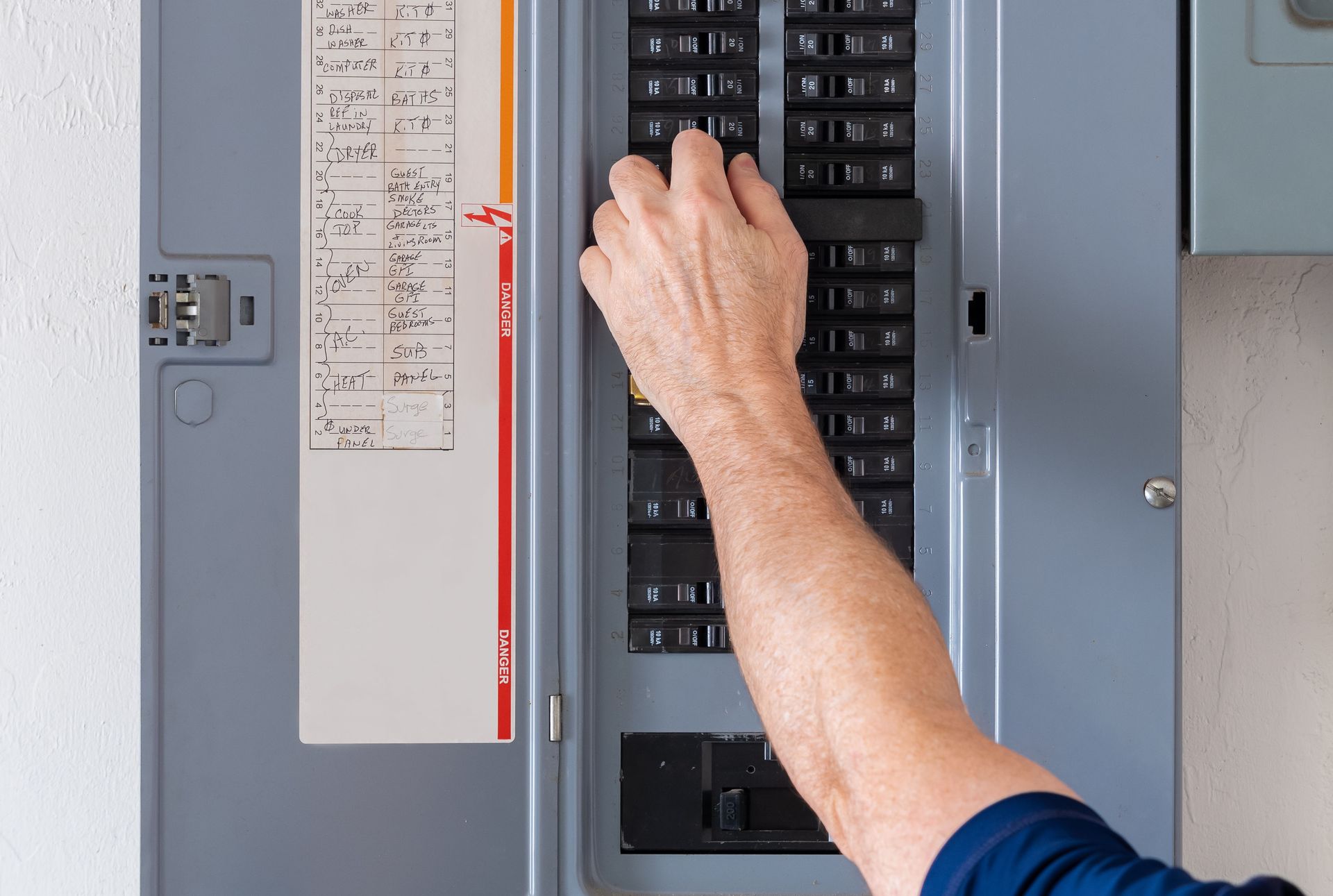
The first step in installing a backup generator involves assessing the power requirements and identifying a suitable location for installation. It's essential to consider factors such as the generator's proximity to the home, ventilation, and ease of access for maintenance. Properly sizing the generator to match the home's power needs ensures efficient operation without overloading the unit. It's also crucial to check local zoning laws and regulations to obtain any necessary permits before installation. By carefully planning the installation process, homeowners can avoid potential issues and ensure that the generator operates effectively when needed.
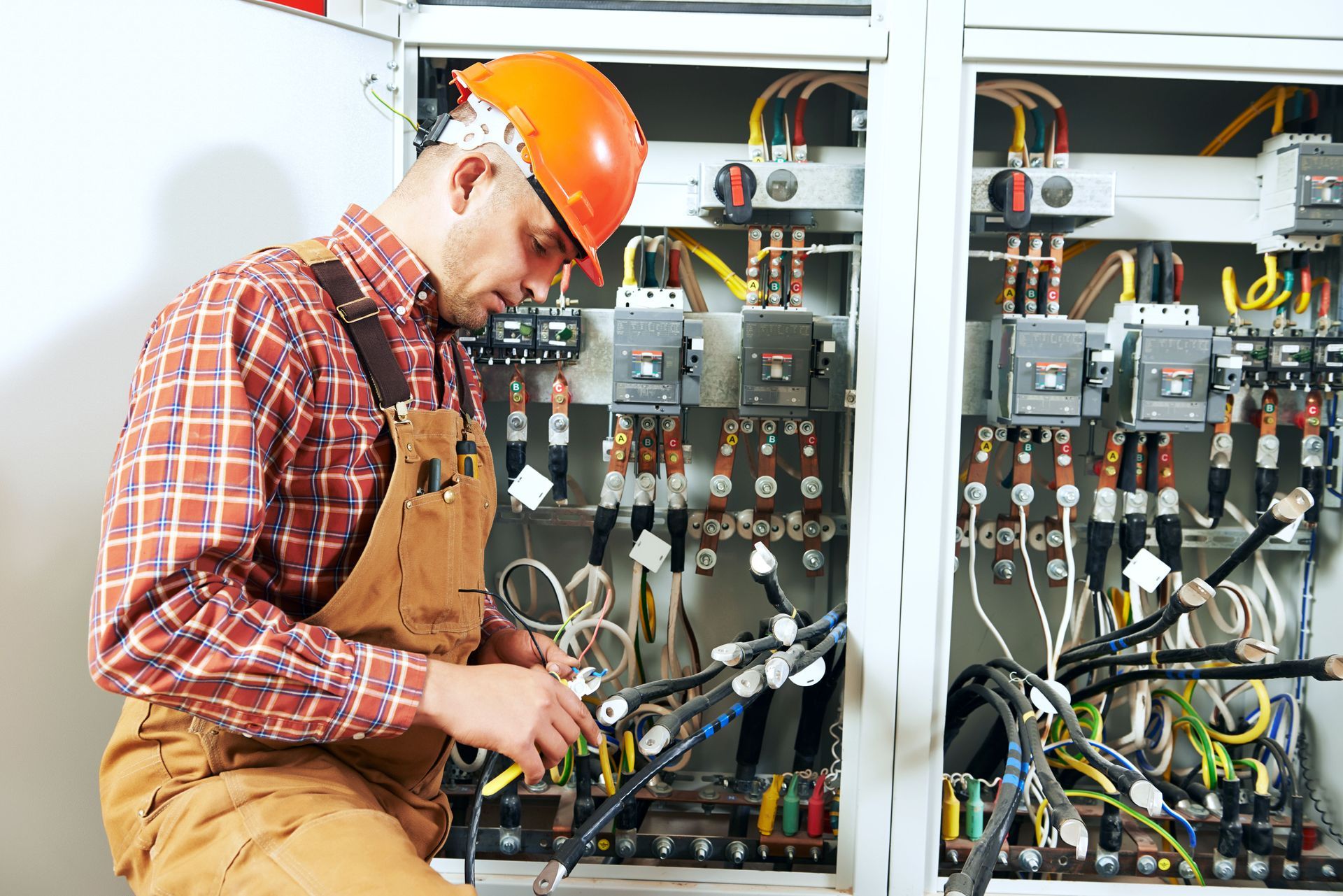
The decision between professional installation and a do-it-yourself approach depends largely on the homeowner's technical expertise and comfort level. Professional installation guarantees that the generator is set up correctly and complies with all safety codes, providing peace of mind. However, it comes at a higher cost compared to DIY installation, which might be appealing for those looking to save expenses. For DIY enthusiasts, access to the right tools, instructions, and knowledge of electrical systems is crucial for a successful installation. Weighing the pros and cons of each option helps homeowners decide which path aligns best with their resources and preferences.
Routine maintenance is key to ensuring the longevity and reliability of backup generators. Regularly checking oil levels, inspecting battery condition, and performing load tests are essential practices that keep the generator in top condition. Ensuring the generator is free from dust and debris, and inspecting the fuel system regularly, can prevent common operational issues. Adhering to the manufacturer's recommended maintenance schedule helps identify potential problems before they become significant, reducing downtime during outages. By committing to regular upkeep, homeowners can extend the life of their generator and ensure optimal performance when it matters most.
Understanding common issues and their solutions can empower homeowners to quickly resolve generator malfunctions. For example, a generator that fails to start may have a simple issue, such as a disconnected battery or fuel blockage. Addressing these problems requires basic checks of oil, fuel, and air filters, as well as ensuring proper connections and settings. Another common issue is erratic power output, often caused by load imbalance or faulty electrical connections. By familiarizing themselves with these troubleshooting tips, homeowners can minimize disruptions and ensure their backup generators remain ready for action during power outages.
Safety Considerations
Operating a backup generator involves specific electrical safety concerns that must be addressed to prevent accidents. Following the manufacturer's guidelines on installation and usage is critical to maintain safe operation. It's important to ensure proper grounding of the generator and to use heavy-duty extension cords suitable for outdoor use to prevent electrical shocks. Engaging a qualified electrician for the installation minimizes the risk of improper connections that could lead to electric hazards. By adhering to these electrical safety measures, users can safely harness the benefits of a backup generator during power outages.
Operating fuel-powered generators brings the risk of carbon monoxide (CO) emissions, as this odorless and colorless gas can pose a serious health hazard if inhaled. To mitigate these risks, generators should always be positioned in well-ventilated outdoor areas, away from windows and doors to prevent fumes from seeping indoors. Installing battery-operated CO detectors in homes can also provide added protection and early alerts in the event of CO buildup. Regular maintenance of the generator, including inspection of exhaust systems, further helps reduce potential CO emissions. By understanding and managing these risks, homeowners can ensure safe operation of their backup generators.
Proper ventilation is critical when operating a generator to prevent the buildup of harmful fumes and gases, including carbon monoxide. It's essential to place generators outdoors, ideally at least 20 feet away from the home and in a location where exhaust can disperse safely. Avoid using generators in partially enclosed spaces, such as garages or outdoor sheds, where ventilation may be inadequate. For those using inverter or portable generators, positioning them in an open area further ensures safety while running. By prioritizing adequate ventilation, homeowners can safely operate their generators without the risk of dangerous fume accumulation.
Improper use and storage of generators can result in fire hazards, particularly with fuel-powered units. To reduce these risks, generators should be operated on stable surfaces clear of flammable materials to prevent accidental fuel spills. It's important to store fuels, such as gasoline and propane, in approved containers and away from any potential sources of ignition. Regular inspection of fuel lines and connections aids in detecting leaks or damage that could otherwise lead to fire risks. By practicing these fire safety precautions, homeowners can operate their backup generators with confidence and safety.
A
backup generator for home use is a valuable investment that helps homeowners stay prepared for unexpected power outages while protecting comfort, safety, and essential systems. From maintaining daily routines and safeguarding electronics to supporting home security and communication, a reliable generator offers dependable support when it’s needed most. With proper installation, routine maintenance, and careful attention to safety guidelines, homeowners can rely on their backup generator for long-term performance and peace of mind during any power disruption. Contact Larsen Electric today for more information about our generators for home use.