January 21, 2026
Explore the rising trend of electric vehicles (EV) and the growing necessity for at-home charging solutions, which are becoming essential for modern-day homeowners. This article will delve into the reasons driving this change, from environmental benefits to economic incentives. As the preference for environmentally friendly technologies expands, so does the requirement for supporting infrastructures like home EV chargers. Such installations not only enhance the convenience for EV owners but also align with broader sustainability goals. In this article, we will explore the multifaceted reasons homeowners get a home EV charger installation.
Growth in the Electric Vehicle Market
The electric vehicle market has witnessed unprecedented growth over recent years. This surge is largely attributed to increased consumer awareness and the global shift toward sustainability. According to Finance Buzz, Americans bought over 1.5 million electric vehicles in 2024, demonstrating the significant shift in consumer preferences. This burgeoning market growth has outpaced the traditional automotive sector, urging manufacturers to accelerate their EV production lines. As the demand for electric cars increases, so does the need for home-based charging solutions to support this new wave of vehicle ownership.
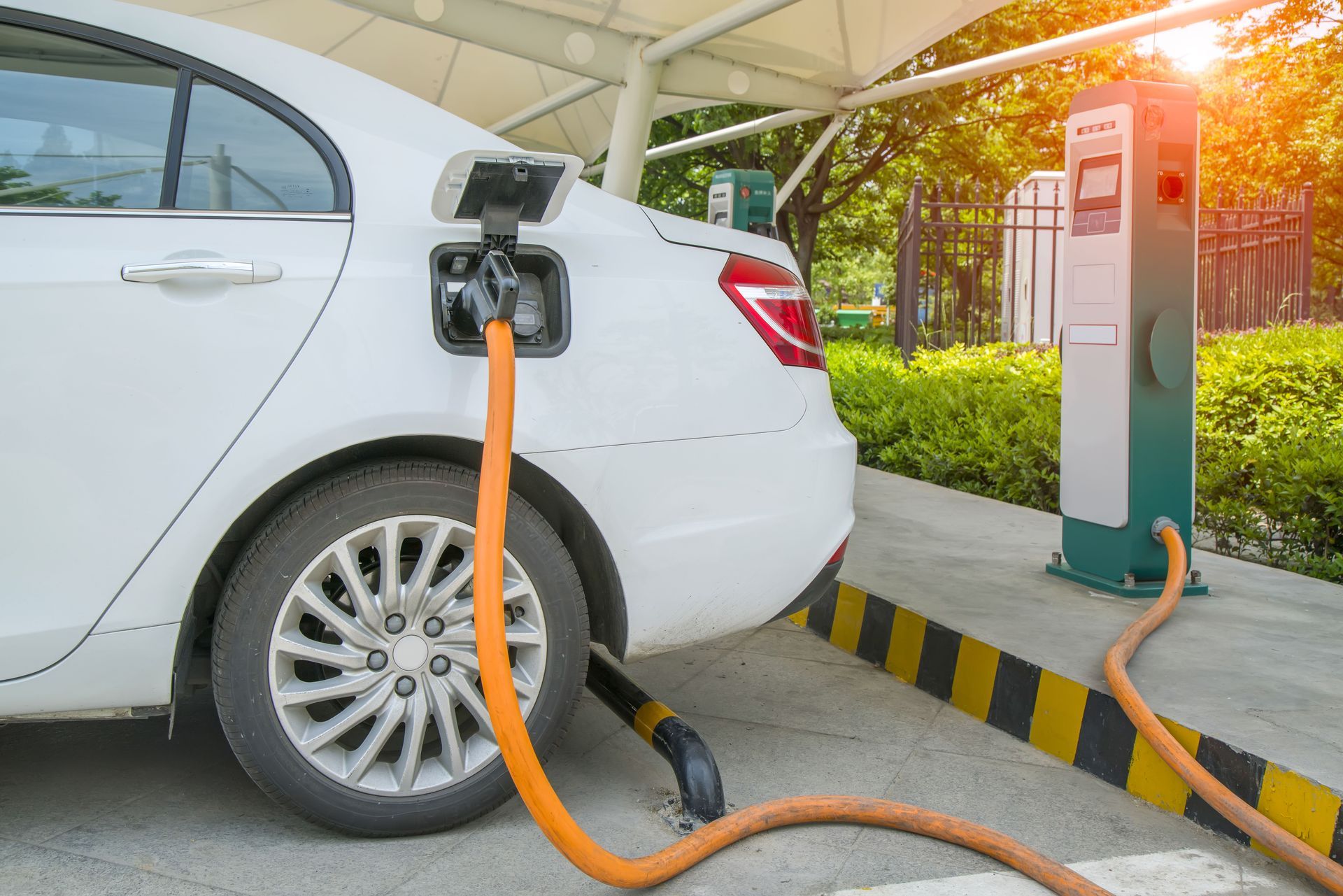
As more people purchase EVs, the demand for adequate charging facilities escalates. Public infrastructure, though expanding, often struggles to keep pace with this rapid adoption. Many EV owners find public charging stations inconvenient, underscoring the need for home-installed chargers. These personal installations ensure that EV owners have a reliable and accessible option to meet their daily charging needs. Home chargers thus bridge the gap between growing EV ownership and the existing charging infrastructure.
The growth of the EV market also fuels broader societal and economic shifts. It galvanizes investment in renewable energy and presents new business opportunities. With the automotive industry slated to become more carbon-neutral, manufacturers are racing to capture market share through innovative EV models. These developments, in turn, boost the viability of home charging solutions, emphasizing their importance as part of modern home design and infrastructure. Consequently, home EV chargers are rapidly becoming a staple in residential neighborhoods.
Environmental Concerns and Regulations
One of the primary drivers of the increased adoption of EVs is environmental consciousness. Globally, citizens and governments are recognizing the urgent need to reduce emissions and pollution. EVs provide a cleaner alternative to traditional combustion engines, aligning with regulatory efforts to mitigate climate change. Governments worldwide have increasingly implemented stringent emissions regulations, which traditional vehicles often cannot meet. This legislative environment creates a favorable landscape for electric vehicles, further propelling their market penetration.
Environmental concerns are not only shaping vehicle markets but are also influencing residential sectors. Homeowners are becoming more eco-conscious, seeking ways to reduce their ecological footprint. Integrating sustainable technologies, such as home EV chargers, into daily living practices is seen as a vital step toward achieving environmental balance. Besides aligning with global sustainability goals, installing EV chargers at home signifies an individual commitment to more responsible energy use. This attunement to ecological matters explains why home EV charger installation is becoming an essential consideration for modern homeowners.
Moreover, many regions now offer incentives for adopting clean energy technologies. Governmental support aids in making EV chargers more accessible and affordable to the average consumer. This assistance mirrors the broader regulatory frameworks focused on ensuring a seamless transition to low-emission economies. Such measures facilitate the installation of home charging stations, supporting the wider goals of carbon reduction and sustainable development. As regulations tighten, the appeal of home EV chargers grows, positioning them as a smart choice for environmentally aware homeowners.
Technology Advancements in EVs
Technological advancements in electric vehicles have been extraordinary in recent years. EVs today boast superior battery ranges, enhanced efficiency, and innovative features compared to their predecessors. Such improvements make electric vehicles more appealing and practical for everyday use. With manufacturers consistently pushing the boundaries of EV technology, new models offer impressive capabilities, including faster charging times and longer trips between charges. These advancements render EVs not only viable but preferable to many traditional vehicles, thereby fostering increased adoption.
As EV technology evolves, so does the supporting infrastructure, encompassing home charging solutions. Home EV chargers have become more sophisticated, providing quicker charging capabilities and smart home integration. These technological innovations make having a personal charger not just a convenience, but a necessity for leveraging the full benefits of modern EVs. Additionally, the emergence of high-capacity batteries heightens the demand for efficient home charging to accommodate these capabilities. As such, the continuous advancements in EV technology directly contribute to the heightened requirement for home-based charging infrastructure.
Another aspect of technological progression is the compatibility of EVs with renewable energy sources. Increasingly, electric vehicles are being designed to integrate seamlessly with solar-powered home systems. This synergy offers an eco-friendly solution, allowing homeowners to harness renewable energy for their driving needs. Such flexibility enhances the value proposition of home EV charger installation, making them desirable for tech-savvy, environmentally conscious consumers.
Government Incentives and Subsidies
The adoption of electric vehicles has been substantially facilitated by government incentives and subsidies. Recognizing the environmental benefits of widespread EV usage, many governments have introduced financial incentives to encourage their purchase. These include tax credits, rebates, and subsidies aimed at reducing the out-of-pocket cost of both EVs and associated home charging stations. By easing the financial burden, these incentives play a pivotal role in accelerating the transition to electric mobility. They make it economically feasible for a broader range of consumers to consider buying EVs and installing home chargers.
Such governmental support extends to the infrastructure needed to sustain the EV market's growth, including home charging stations. In many regions, incentives cover a portion of the cost of installing home chargers, making this a more viable option for homeowners. By subsidizing these costs, governments send a powerful message about the importance of developing personal charging capabilities. This strategic financial encouragement ensures that more consumers can enjoy the convenience and benefits of home charging. Consequently, these initiatives significantly contribute to the increasing necessity of home EV charger installation.
Electric Vehicle Model Availability
The variety of electric vehicle models available today is another factor driving the growth of home EV charger installation. Automotive manufacturers are rapidly expanding their electric offerings, catering to different consumer preferences and needs. From compact models to luxury vehicles and SUVs, there are EV options suitable for every lifestyle and budget. This diversification enhances accessibility, encouraging more consumers to opt for electric vehicles. As consumers choose from a wide array of models, the necessity for home charging solutions grows correspondingly.
Increasing model availability also results in enhanced competition among automakers, driving further innovation in the EV sector. This competition results in improved features, longer battery life, and more alluring incentives for potential buyers. Such enhancements make the switch from internal combustion engines to electric vehicles even more compelling for buyers. As consumers make the transition, they require dependable and efficient home chargers to support their new rides. Therefore, the expansion of EV model selections directly correlates with the rising demand for personal charging infrastructure.
Electric vehicles are reshaping transportation, and homeowners are adapting to support them. Investing in home EV charger installation offers daily convenience, long-term value, and alignment with sustainability goals. As adoption accelerates, residential charging solutions will remain a practical, future-ready upgrade for modern households across diverse regions and evolving energy markets.